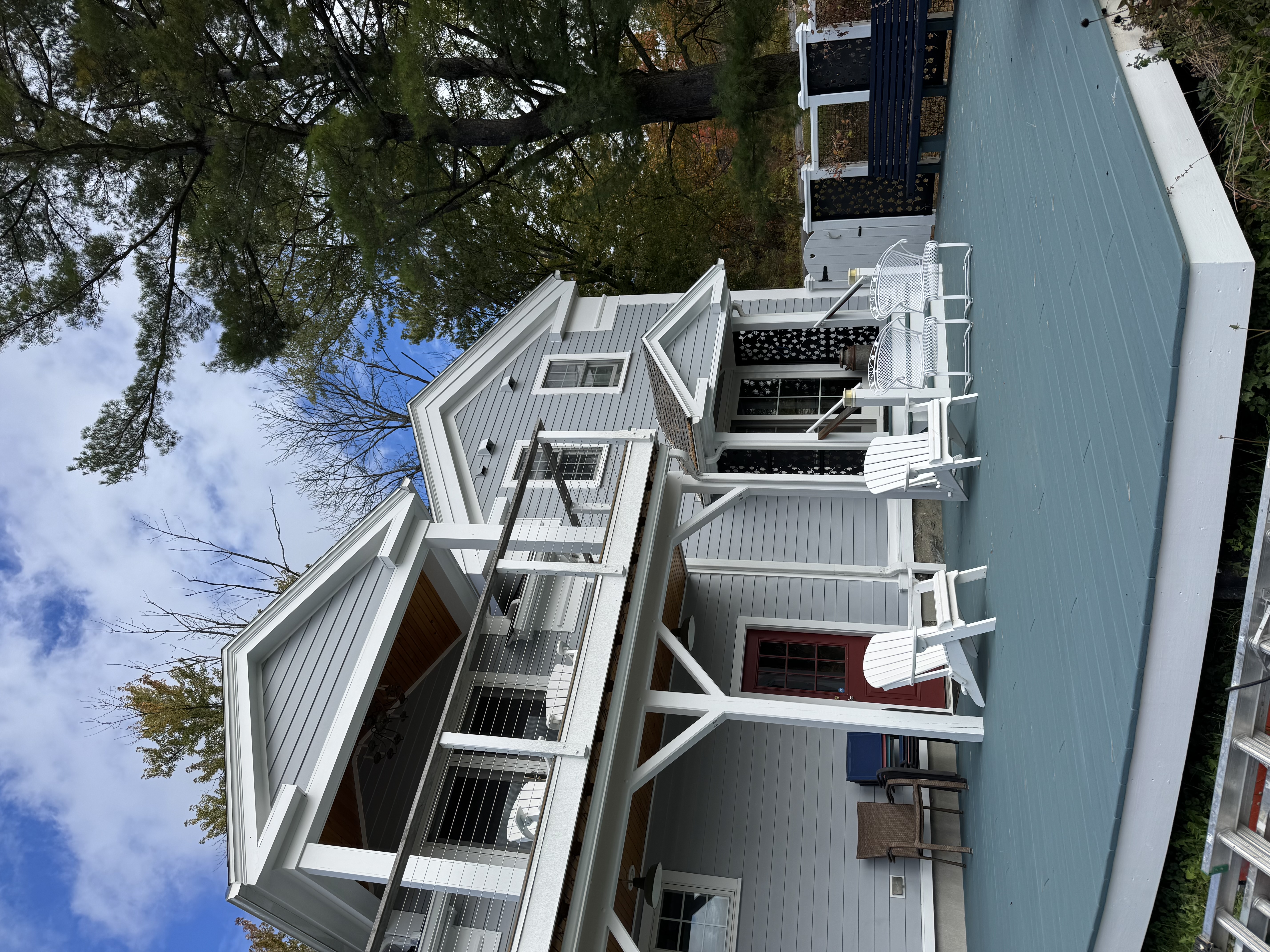
Painting with Precision: How to Achieve Crisp Lines and Perfect Edges Mar 12, 2026
The journey to pristine painting begins with proper preparation. As with many tasks, groundwork is essential. Start by gathering all necessary materials: painter’s tape, high-quality paintbrushes, and the right type of paint for your surface. Ensure the walls or surfaces you plan to paint are clean and dry. Any dust or residue can interfere with paint adhesion, leading to uneven edges and lines.
Using painter’s tape is a crucial step in achieving crisp lines and sharp edges. Many people overlook the quality of the tape. Invest in a high-grade painter’s tape that adheres well to surfaces yet can be removed easily without leaving any residue. When applying the tape, press it firmly against the wall to prevent paint from seeping underneath. Running a credit card or scraper along the edge of the tape can further ensure a tight seal.
Selecting the right brush is just as important. For cutting in along edges and around corners, use a high-quality angled brush. These brushes offer greater control and access in tight spots. Dip just the tip of your brush into the paint, allowing you to make precise strokes. Practice makes perfect, so don’t hesitate to take your time perfecting your technique.
Using the right type of paint can also contribute significantly to achieving clean lines. Choose a paint that suits your wall type and finish. Features like low splatter and quick-drying properties can facilitate sharper edges. Additionally, using a roller in large areas complemented by a brush for edges provides a seamless blend between different parts of the wall.
One of the common pitfalls in painting is peeling paint along with the tape. To avoid this, it’s essential to remove the tape correctly. Patience is key here. Wait until the paint is dry to the touch, but not fully cured — typically about an hour after application. Gently peel the tape back at a 45-degree angle, which minimizes the risk of pulling off paint from the wall.
Preventing imperfections involves double-checking your work as you paint. Assessing your strokes from different angles can help identify any smudges or laps that can be corrected immediately. A fresh, critical eye will help ensure that lines are as immaculate as possible.
In conclusion, painting with precision requires attention to detail, patience, and the right tools. By following these steps, you can achieve those coveted crisp lines and perfect edges that will impress every visitor. Let Surface Painting Company guide you through your next painting project, ensuring a finish that truly transforms your space.
Whether you’re a DIY enthusiast or prefer leaving your painting projects to the professionals, understanding these techniques can significantly enhance your end results. For those needing assistance, Surface Painting Company remains at your service, providing professional, meticulous, and quality painting services. Transform your space today, and experience the difference that precision painting brings.
/filters:no_upscale()/filters:format(webp)/media/09e85639-899a-4750-9968-8b61c536bd61.jpeg)
/filters:no_upscale()/filters:format(webp)/media/30e27b6c-617d-49e2-80b5-5f7275cacb30.jpeg)