Painting on a Budget: Cost-Effective Techniques for a Stunning Transformation Mar 03, 2026
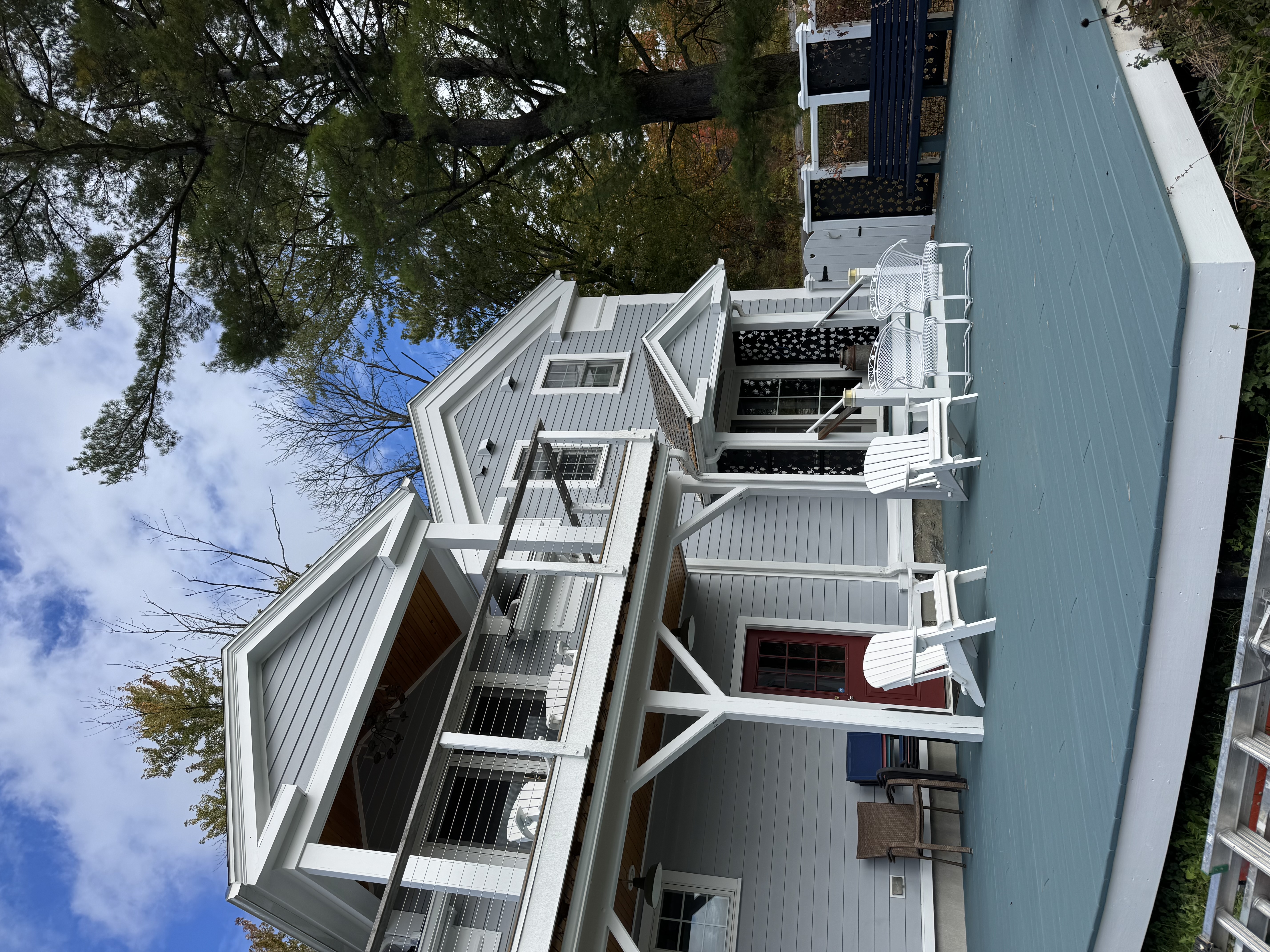
Start by considering the impact of color. Choosing the right paint color can dramatically change the mood of a room or the appearance of the exterior. Opt for versatile neutrals like soft grays or warm beiges that can create a timeless look. These colors often pair well with various furnishings and can make spaces feel larger and more inviting. Before purchasing, gather paint swatches and observe them under different light settings to avoid costly mistakes.
Planning is essential to executing a budget-friendly paint job. Begin by calculating the square footage of each area you intend to paint. This will help you estimate the amount of paint needed, minimizing excess and wastage. Keep in mind that one gallon of paint generally covers about 350 square feet. For accuracy, deduct the space occupied by doors and windows from your total area.
When it comes to buying paint, consider quality over quantity. Investing in high-quality paint can save money in the long run because it often requires fewer coats and provides a more durable finish. Brands that offer paint and primer in one can further reduce costs and simplify the process. Look for sales or discounts at your local hardware store to score a deal on premium products.
To further cut costs, explore the use of accent walls. Painting just one wall in a bold color can create a focal point in a room, adding character without using excessive amounts of paint. This technique is economical and can be a perfect solution for those looking to experiment with vibrant hues without committing to a full-room makeover.
It's also wise to avoid unnecessary expenses on tools. While having the right equipment is crucial, purchasing top-of-the-line brushes or rollers isn't always necessary. Instead, focus on mid-range options that offer a good balance of price and quality. Properly cleaning and storing your tools after use can extend their lifespan significantly, reducing the need for replacements.
Prepping surfaces is a step not to be overlooked. Proper preparation ensures that your efforts yield a professional-looking finish. Clean the surfaces thoroughly to remove dust and grease, fill any holes or imperfections with caulk or filler, and use painter's tape to protect trim and fixtures. This will not only enhance the final result but also prevent the need for costly touch-ups later on.
Finally, consider a do-it-yourself approach where possible. While hiring professionals from a company like Surface Painting Company ensures top-notch results, tackling smaller projects such as a single room or a piece of furniture can be a rewarding and cost-saving experience. Utilize online tutorials and resources to guide your DIY efforts.
In conclusion, painting on a budget doesn't mean sacrificing quality or style. With these cost-saving tips and strategies, you can achieve a beautiful transformation that reflects your personal taste and enhances your home. Whether you choose to take on the project yourself or enlist the help of professionals, a little planning and resourceful decision-making go a long way in creating a stunningly new space.
/filters:no_upscale()/filters:format(webp)/media/09e85639-899a-4750-9968-8b61c536bd61.jpeg)
/filters:no_upscale()/filters:format(webp)/media/30e27b6c-617d-49e2-80b5-5f7275cacb30.jpeg)